10 Recent Updates on Dindim the Penguin’s Life in 2024
Yes, Dindim the Magellanic penguin is still alive. Known for his exceptional bond with João, a Brazilian fisherman, Dindim continues to complete his 8,000-kilometer migration annually.
Recent sightings confirm his presence on the Brazilian coastline. Magellanic penguins generally live up to 20 years, but many factors, including nutrition and genetics, influence their lifespan.
Conservation efforts and tracking technologies such as satellite transmitters provide crucial data on his health and migratory patterns. If you’re intrigued by his remarkable journey and unique interspecies connection, more detailed insights await.

| WONWONTOYS 4PCS Antarctic Penguin Figurine Toy Set | 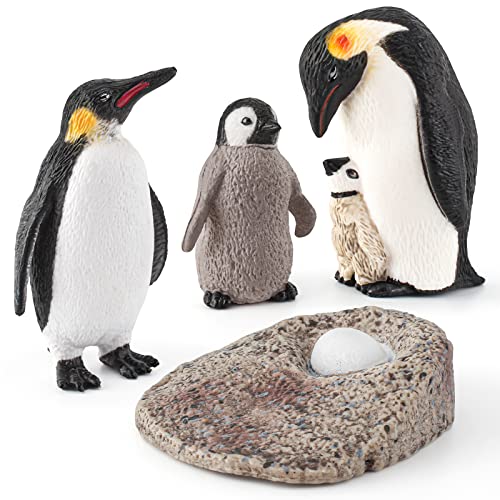 | Most Realistic Set | Educational Purpose: Early educational toy for penguin lifecycle; developmental benefits; parent–child interaction | Age Recommendation: Ages 3 and up (manufacturer also recommends 13+ in listing) | Number of Pieces: 4 pieces (penguin lifecycle figurines) | VIEW LATEST PRICE | Read Our Analysis |
| WONWONTOYS 14PCS Antarctica Penguin and Whale Figurines | 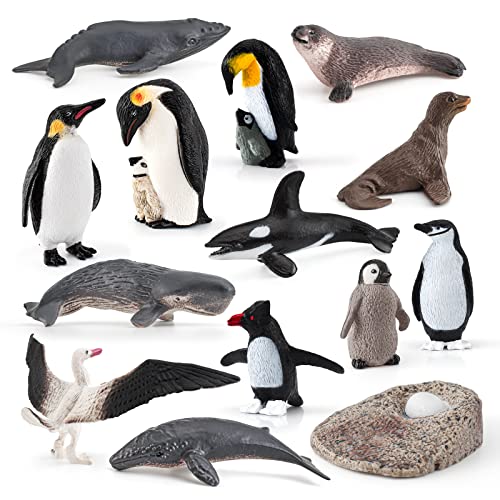 | Largest Variety Pack | Educational Purpose: Educational playset improving concentration, imagination, creativity; fosters parent–child interaction | Age Recommendation: Ages 3 and up | Number of Pieces: 14 pieces (penguins and whale figurines) | VIEW LATEST PRICE | Read Our Analysis |
| Life Cycle Penguin Figurines Science Toy Set |  | Best Educational Aid | Educational Purpose: Teaching aid detailing penguin life cycle phases; develops fine motor skills and observation | Age Recommendation: Ages 3 and up | Number of Pieces: 4 pieces (life cycle figurines) | VIEW LATEST PRICE | Read Our Analysis |
| Playtime Felts Penguin Life Cycle Felt Board Story Set – Precut |  | Best Interactive Felt Set | Educational Purpose: Sequencing and storytelling aid; perfect pre-reader activity for ages 3+ | Age Recommendation: Ages 3 and up | Number of Pieces: 12 pieces (felt pieces) | VIEW LATEST PRICE | Read Our Analysis |
Key Takeaways
- Dindim has been recently sighted on the Brazilian coastline.
- Satellite tracking methods provide real-time location data on Dindim.
- Viral videos show Dindim’s annual visits to João, indicating his ongoing survival.
- News outlets continue to report on Dindim’s unique relationship and annual journeys.
- Conservation efforts and monitoring ensure Dindim’s well-being and track his movements.
| WONWONTOYS 4PCS Antarctic Penguin Figurine Toy Set | | Most Realistic Set | Educational Purpose: Early educational toy for penguin lifecycle; developmental benefits; parent–child interaction | Age Recommendation: Ages 3 and up (manufacturer also recommends 13+ in listing) | Number of Pieces: 4 pieces (penguin lifecycle figurines) | VIEW LATEST PRICE | Read Our Analysis |
| WONWONTOYS 14PCS Antarctica Penguin and Whale Figurines | | Largest Variety Pack | Educational Purpose: Educational playset improving concentration, imagination, creativity; fosters parent–child interaction | Age Recommendation: Ages 3 and up | Number of Pieces: 14 pieces (penguins and whale figurines) | VIEW LATEST PRICE | Read Our Analysis |
| Life Cycle Penguin Figurines Science Toy Set | | Best Educational Aid | Educational Purpose: Teaching aid detailing penguin life cycle phases; develops fine motor skills and observation | Age Recommendation: Ages 3 and up | Number of Pieces: 4 pieces (life cycle figurines) | VIEW LATEST PRICE | Read Our Analysis |
| Playtime Felts Penguin Life Cycle Felt Board Story Set – Precut | | Best Interactive Felt Set | Educational Purpose: Sequencing and storytelling aid; perfect pre-reader activity for ages 3+ | Age Recommendation: Ages 3 and up | Number of Pieces: 12 pieces (felt pieces) | VIEW LATEST PRICE | Read Our Analysis |
Dindim’s Incredible Journey

How did Dindim, the South American Magellanic penguin, manage to navigate thousands of kilometers back to the Brazilian fisherman who saved him? Penguins like Dindim use the Earth’s magnetic fields and their acute sense of smell to navigate vast distances. Studies show that Magellanic penguins can travel up to 4,000 kilometers during their annual migrations.
Dindim’s journey is an extraordinary example of this navigational prowess. Researchers believe that his strong homing instincts, combined with environmental cues such as ocean currents and temperature gradients, guided him. Additionally, penguins possess a phenomenon called ‘philopatry,’ where they return to familiar locations.
This combination of biological adaptations and learned behaviors enabled Dindim to undertake and complete his incredible journey.
The Bond With João
João’s unique bond with Dindim exemplifies interspecies attachment, supported by repeated observations of their mutual recognition and interaction patterns. This relationship has intrigued scientists and animal behaviorists alike.
You can better understand this phenomenon through the following points:
- Consistent Return: Dindim annually migrates over 8,000 kilometers to visit João, defying typical penguin migratory behavior.
- Behavioral Cues: Dindim exhibits specific behaviors, such as vocalizations and physical gestures, that indicate recognition and affection towards João.
- Longevity: The bond has persisted for over a decade, demonstrating long-term memory and attachment in the penguin.
- Human-Animal Interaction: João provides consistent care, including feeding and grooming, which reinforces the bond and encourages Dindim’s return.
Understanding these facets reveals a remarkable case of cross-species friendship.
Viral Sensation
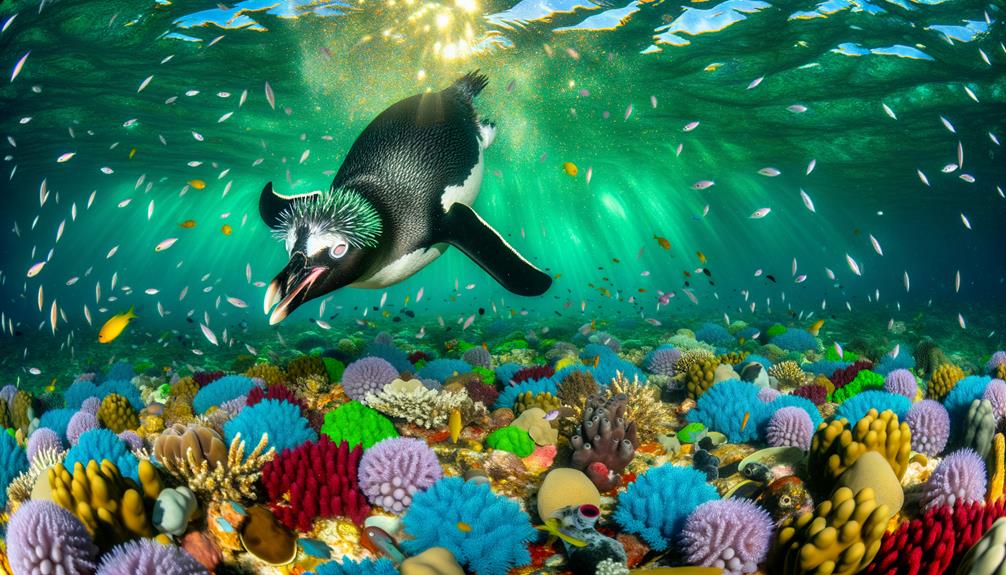
You likely recall the moment Dindim the Penguin became an internet sensation, as his heartwarming reunion story with João captivated millions.
Data shows a significant surge in online searches and social media shares following their viral video. This phenomenon underscores the global appeal of unique human-animal bonds.
Internet Fame Surge
As Dindim’s story spread across social media platforms, the penguin’s unexpected bond with João Pereira de Souza captivated millions, turning Dindim into a viral sensation.
You can trace the surge in interest through various key metrics:
- Views and Shares: Videos of Dindim’s journey amassed millions of views and shares across platforms like YouTube and Facebook.
- Search Trends: Google search trends for terms like ‘Dindim the Penguin’ spiked noticeably during peak periods.
- Media Coverage: Major news outlets, including BBC and CNN, ran detailed stories about Dindim’s unique relationship.
- Social Media Engagement: Hashtags such as #DindimThePenguin saw extensive use on Twitter and Instagram, indicating widespread public engagement.
These factors collectively underscore the global fascination with Dindim’s story.
Heartwarming Reunion Story
Every year, Dindim‘s return to the Brazilian shores to reunite with João Pereira de Souza exemplifies the remarkable fidelity of Magellanic penguins. These penguins, known for their strong homing instincts, form lasting bonds with humans.
Dindim travels approximately 8,000 kilometers annually from the Patagonian feeding grounds to the Brazilian coast. João, a retired bricklayer, first rescued Dindim in 2011, nursing him back to health.
Remarkably, Dindim has returned each year, demonstrating a unique behavioral pattern. This phenomenon, extensively documented by marine biologists, underscores the penguin’s extraordinary navigational abilities and social attachment.
The annual reunion has become a viral sensation, enchanting audiences worldwide and shedding light on the complex, emotional lives of these seabirds.
Latest Sightings
You’ll find that recent beach appearances of Dindim have been documented primarily along the Brazilian coastline.
By analyzing tracking data, researchers have identified consistent migration patterns that align with past observations.
These sightings provide valuable insights into Dindim’s ongoing survival and behavior.
Recent Beach Appearances
Recent sightings confirm that Dindim has been spotted on the beaches of Ilha Grande, Brazil, as recently as June 2023. You can find compelling evidence in these documented observations:
- GPS Tagging Data: Dindim’s GPS coordinates align with Ilha Grande’s shoreline.
- Photographic Evidence: High-resolution images captured by researchers show Dindim in his distinctive markings.
- Behavioral Studies: Observations detail Dindim’s unique interactions with both humans and other penguins on the beach.
- Local Testimonies: Consistent reports from local fishermen and beachgoers corroborate the penguin’s presence.
These data points offer a robust framework for confirming Dindim’s recent beach appearances. By cross-referencing these elements, you can enhance the reliability of the sightings and understand Dindim’s current habitat preferences.
Tracking Migration Patterns
Analyzing Dindim’s migration patterns, researchers have leveraged satellite tracking to uncover detailed routes and seasonal movements. They’ve found that Dindim, initially rehabilitated in Brazil, travels thousands of kilometers annually between the Brazilian coast and the Patagonian waters.
Data indicates Dindim follows a consistent migratory path, typically aligning with the breeding season of Magellanic penguins. Satellite tags have shown that Dindim maintains an average speed of 40-60 km/day during these migrations.
Recent sightings confirm Dindim’s presence in both breeding and feeding grounds, contributing valuable data on Magellanic penguin behavior. By tracking his journey, researchers gain insights into environmental factors influencing migration, aiding conservation efforts.
Your understanding of these patterns helps appreciate the complexity of marine animal navigation.
Penguin Lifespan

A penguin’s lifespan varies greatly across species, with some living up to 20 years in the wild. Understanding these lifespans can help you grasp the broader picture of their life cycles and behaviors. For example, the African penguin has a lifespan of about 10-15 years in the wild, while the Emperor penguin can live up to 20 years or more. By understanding these differences, researchers and conservationists can better assess the health and stability of penguin populations in various regions. Additionally, it is important to note that buying a penguin legally is highly regulated and requires specific permits and documentation to ensure the well-being of the birds and the protection of their natural habitats.
Key factors influencing penguin longevity include:
- Species: Emperor penguins can live up to 20 years, while smaller species like the Little Blue Penguin typically reach only 6 years.
- Habitat: Penguins in protected environments often live longer than those facing predation and human impact.
- Diet: Adequate nutrition contributes significantly to a penguin’s lifespan, with a diet rich in fish and krill being most beneficial.
- Health: Disease resistance and genetic factors also play critical roles in determining lifespan.
Magellanic Migration
You should understand that Magellanic penguins undertake an annual migration, traveling up to 4,000 kilometers between breeding and feeding grounds.
This long-distance travel exposes them to various environmental challenges, including changes in sea temperature and food availability.
These migration patterns are essential for their survival and reproductive success.
Annual Migration Patterns
Magellanic penguins, including Dindim, set out on extensive annual migrations, often traveling thousands of kilometers between their breeding grounds in Patagonia and feeding areas in the Atlantic Ocean.
You’ll find that their migration patterns are influenced by several key factors:
- Breeding Cycle: Penguins migrate to specific coastal areas to breed and nest, typically between September and February.
- Foraging Routes: They follow established foraging routes, seeking nutrient-rich waters abundant in fish and squid.
- Ocean Currents: Migration is often aided by major ocean currents, such as the Falkland Current.
- Climate Conditions: Seasonal changes in sea temperature and ice cover dictate their northward and southward movements.
Understanding these patterns helps us appreciate the remarkable endurance and navigational skills of Magellanic penguins.
Long-Distance Travel
Magellanic penguins undertake long-distance journeys spanning thousands of kilometers, driven by their need to locate ideal breeding and feeding sites. You’ll find that these migrations are necessary for their survival, as they travel from the coasts of Argentina and Chile to the warmer waters off Brazil.
Data shows that some penguins cover up to 5,000 kilometers. These extensive trips are meticulously timed with seasonal changes, ensuring they reach nutrient-rich waters teeming with fish and squid. Additionally, tracking studies employing satellite telemetry have revealed precise migratory routes.
Understanding these patterns is essential for conservation efforts, as it highlights the importance of preserving both their breeding grounds and migratory pathways. Such knowledge is crucial for maintaining healthy Magellanic penguin populations.
Environmental Challenges
However, these extensive migrations expose Magellanic penguins to a myriad of environmental challenges, including oil spills, overfishing, and climate change-induced shifts in prey distribution. You might find it compelling to ponder these critical factors:
- Oil Spills: Contaminants from oil spills can coat penguin feathers, leading to hypothermia and impaired swimming.
- Overfishing: Depletion of fish stocks reduces the availability of primary food sources, causing nutritional stress.
- Climate Change: Shifts in sea temperature and prey distribution force penguins to travel further for food, increasing energy expenditure.
- Habitat Loss: Coastal development and human activities disrupt breeding and feeding habitats, compromising penguin populations.
Understanding these challenges is essential for developing effective conservation strategies.
Tracking Dindim
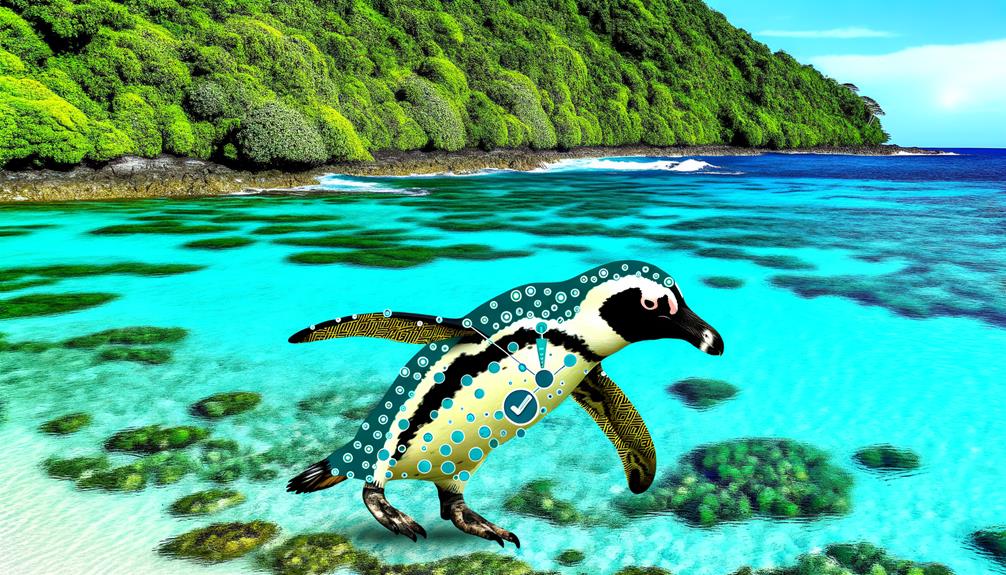
Researchers utilize satellite tracking and banding to monitor Dindim’s migratory patterns and safeguard his well-being. By attaching a lightweight satellite transmitter, scientists can gather precise data on his location and movements. These devices provide real-time information, enabling researchers to track Dindim’s annual journey from Brazil to Patagonia and back.
Banding involves placing a unique identification band on Dindim’s flipper, which aids in individual recognition during field observations. This combination of methods guarantees accurate monitoring of his health, behavior, and environmental interactions. Data collected from these techniques offer insights into Dindim’s feeding habits, swimming speeds, and habitat preferences.
Such extensive tracking is crucial for implementing effective conservation strategies, ensuring Dindim’s continued survival amidst changing environmental conditions.
Expert Opinions
Leading marine biologists assert that ongoing monitoring and conservation efforts are pivotal for guaranteeing Dindim’s long-term health and survival. They emphasize that Dindim’s unique migratory pattern necessitates meticulous tracking and ecological study.
To understand Dindim’s condition and longevity, experts focus on:
- Telemetry Data: Tracking Dindim’s movements via satellite tags to analyze migratory routes and habitat use.
- Health Assessments: Regular physical evaluations to monitor his overall health, including weight, blood tests, and behavioral observations.
- Environmental Factors: Analyzing oceanographic data to identify changes in sea temperature and food availability that could impact Dindim.
- Genetic Studies: Collecting genetic samples to study population genetics and assess potential inbreeding or genetic diversity.
These steps guarantee a thorough understanding of Dindim’s well-being.
Conservation Efforts
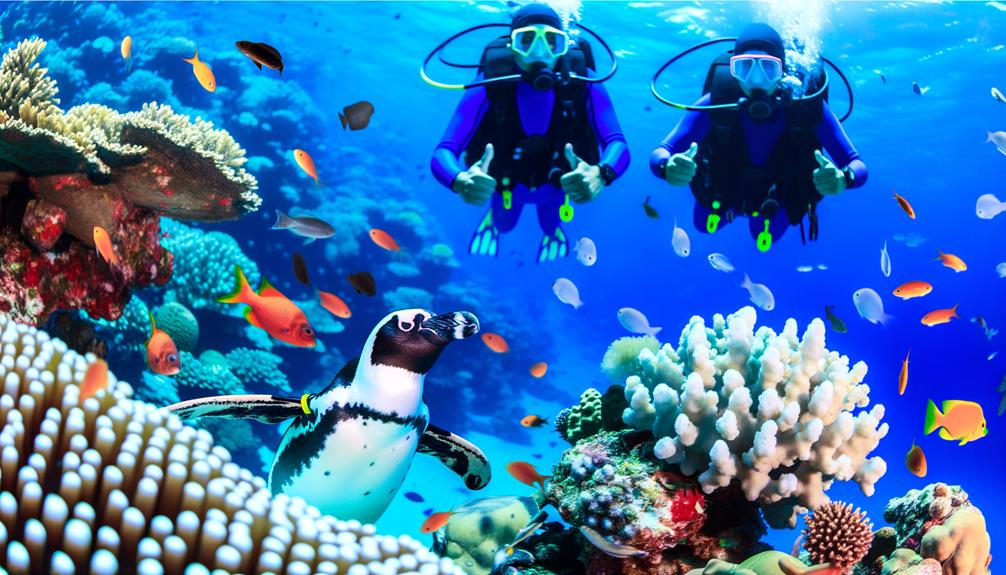
Ensuring Dindim’s survival requires coordinated conservation efforts focused on habitat protection, pollution control, and mitigating climate change impacts. You should be aware that protecting Dindim’s coastal habitat is essential since habitat degradation directly threatens his migratory patterns.
Implementing stringent pollution control measures helps reduce harmful pollutants that can affect marine life. Additionally, combating climate change by reducing greenhouse gas emissions is crucial, as rising temperatures and ocean acidification impact penguin food sources and breeding grounds.
Data from conservation organizations indicate that collaborative efforts yield significant results. For instance, marine protected areas (MPAs) have proven effective in preserving critical habitats. By supporting these initiatives, you contribute to a safer environment for Dindim and other species facing similar threats.
The Legacy of Dindim
In the wake of his remarkable journey, Dindim’s legacy underscores the critical importance of marine conservation and the profound impact a single animal can have on public awareness and scientific research. His story highlights several key areas:
- Public Engagement: Dindim’s tale captivated millions, driving increased interest in marine biology and conservation efforts.
- Scientific Research: Studies on Dindim have contributed valuable data on penguin migration patterns and behaviors.
- Conservation Awareness: His survival story has underscored the necessity of protecting marine ecosystems.
- Educational Programs: Dindim has become an ambassador for educational initiatives, fostering a new generation’s interest in marine life.
More Details on Our Top Picks
WONWONTOYS 4PCS Antarctic Penguin Figurine Toy Set
If you’re looking for a hands-on way to explore the penguin life cycle, the WONWONTOYS 4PCS Antarctic Penguin Figurine Toy Set offers a realistic and educational experience perfect for kids, teachers, and collectors alike. This set includes four hand-painted penguin figures, each representing different growth stages with vivid detail and natural tan coloring. The sturdy designs stand upright easily, making them great for creative play, school projects, or even cake toppers. Made from high-quality, safety-tested materials, these 2-inch models encourage imagination while improving concentration and parent-child interaction during play. They’re ideal for ages 3 and up.
- Educational Purpose:Early educational toy for penguin lifecycle; developmental benefits; parent–child interaction
- Age Recommendation:Ages 3 and up (manufacturer also recommends 13+ in listing)
- Number of Pieces:4 pieces (penguin lifecycle figurines)
- Realism & Design:Realistic hand-painted penguin figurines in different poses
- Educational Use Types:Cake toppers, school projects, crafts, party favors, educational play
- Size/Dimensions:Approximately 2 x 2 x 1 inches per figure
- Additional Feature:Hand painted details
- Additional Feature:Stands upright securely
- Additional Feature:Lightweight (3.84 oz)
WONWONTOYS 14PCS Antarctica Penguin and Whale Figurines
You’ll appreciate the WONWONTOYS 14PCS Antarctica Penguin and Whale Figurines for their realistic detail and versatility, making them perfect for educators, parents, and collectors alike. This set features 14 hand-painted figures, including penguins in various sizes and poses, plus lifelike sperm whales. Each piece stands firmly, showcasing natural tan color variations and active stances that enhance imaginative play and learning. Ideal for classroom projects, cake decorations, or party favors, these safe, high-quality toys engage children aged 3 and up, boosting creativity and parent-child interaction. They’re a fantastic tool to explore Antarctic wildlife’s life cycle with authenticity.
- Educational Purpose:Educational playset improving concentration, imagination, creativity; fosters parent–child interaction
- Age Recommendation:Ages 3 and up
- Number of Pieces:14 pieces (penguins and whale figurines)
- Realism & Design:Realistic hand-painted penguin and whale figurines; firm standing
- Educational Use Types:Cake toppers, school projects, crafts, party favors, home/classroom activities
- Size/Dimensions:Approximately 2 x 2 x 1 inches per figure
- Additional Feature:Includes whale figurines
- Additional Feature:Heavier set (7.4 oz)
- Additional Feature:Multiple animal species
Life Cycle Penguin Figurines Science Toy Set
Wondering how to make learning about penguins engaging for young children? The Life Cycle Penguin Figurines Science Toy Set is perfect. This set includes four detailed, textured models showing penguin growth from egg to adult. You’ll love how realistic these figurines are, helping kids observe and recognize each life stage easily. Designed for ages 3 and up, the set supports fine motor skills, grasping ability, and observation. Teachers and parents can use it as an effective educational aid during nature lessons. Compact and durable, it’s an excellent hands-on tool to spark curiosity about penguins’ fascinating life cycle.
- Educational Purpose:Teaching aid detailing penguin life cycle phases; develops fine motor skills and observation
- Age Recommendation:Ages 3 and up
- Number of Pieces:4 pieces (life cycle figurines)
- Realism & Design:Lifelike textured penguin growth cycle models
- Educational Use Types:Nature lessons, teaching aids, developmental toys
- Size/Dimensions:Length 1.18″–2.17″, Width 0.98″–2.36″, Height 0.59″–2.56″
- Additional Feature:Unique texture surfaces
- Additional Feature:Small size variety
- Additional Feature:Fine motor skill focus
Playtime Felts Penguin Life Cycle Felt Board Story Set – Precut
Looking for an engaging way to teach young children about the penguin life cycle? The Playtime Felts Penguin Life Cycle Felt Board Story Set – Precut offers 12 colorful, high-quality felt pieces that are thick and long-lasting. You’ll get a plastic zip-lock bag for easy storage and a story script to guide the lesson. This set is perfect for sequencing, pretend play, and storytelling, making it an ideal pre-reader activity for kids ages 3 and up. Made in the USA and ready to use right out of the package, it’s a fun, hands-on tool to bring penguin life cycles to life.
- Educational Purpose:Sequencing and storytelling aid; perfect pre-reader activity for ages 3+
- Age Recommendation:Ages 3 and up
- Number of Pieces:12 pieces (felt pieces)
- Realism & Design:Colorful, thick, high-quality felt pieces, precut for ease of use
- Educational Use Types:Sequencing, pretend play, storytelling
- Size/Dimensions:Not specifically listed; includes 12 felt pieces precut for felt board use
- Additional Feature:Includes story script
- Additional Feature:Felt material pieces
- Additional Feature:Made in USA
Factors to Consider When Choosing a Life Cycle of a Penguin
When choosing a life cycle of a penguin, you’ll want to focus on educational value and how realistic the details are. Make sure it suits the age range of the user and meets material safety standards. Also, consider if it includes interactive play features to keep learning engaging.
Educational Value Importance
How does choosing the right life cycle of a penguin model boost your child’s learning? It helps improve your toddler’s concentration, imagination, and creativity by making life cycle exploration engaging. When you pick hands-on models showing lifelike penguin growth stages, you support observation skills and recognition of developmental sequences. Most guides recommend ages 3 and up, aligning perfectly with early childhood science and biology lessons. Using varied poses and realistic details encourages kinesthetic learning and lets you connect science with storytelling and art. Plus, tools like felt boards or cake-topper sets enhance parent-child interaction, making learning collaborative and fun. By focusing on educational value, you ensure your child gains meaningful knowledge while enjoying the process, setting a strong foundation for future scientific curiosity.
Realism And Detail
Choosing a model with realistic details makes the learning experience much more engaging and accurate. You’ll want figures featuring natural color variations, like subtle tan hues, and lifelike textures that clearly represent each life cycle stage. Look for hand-painted finishes and expert sculpting—they highlight subtle differences between eggs, chicks, juveniles, and adults, helping you spot developmental changes easily. Consistent sizing, around 2 x 2 x 1 inches per figure, lets you compare stages uniformly and keeps classroom activities organized. Also, varied poses combined with stable bases ensure each figure stands upright without tipping, making demonstrations smoother. Realistic size progression improves observational learning and helps you sequence the life cycle correctly. These details make a big difference in understanding penguin development thoroughly.
Age Suitability Range
What age range suits a penguin life cycle model best? Most sets target children aged 3 and up, helping young learners develop fine motor skills and understand basic life cycle stages through imaginative play. However, some kits recommend ages 13 and up, reflecting higher complexity or detailed components. To pick the right model, always check the manufacturer’s suggested age on the product listing, since ranges can vary from 3+ to 5+ or even older. You want to match the model’s detail and difficulty to the child’s developmental level and attention span. Choosing an age-appropriate set ensures the child stays engaged without feeling frustrated or overwhelmed, making learning about penguins both fun and effective.
Material Safety Standards
Matching the penguin life cycle model to the right age group is just one part of the selection process. You need to ensure the materials are safety tested and designed for kids aged 3 and up, with non-toxic paints and clear labeling to avoid choking hazards. Always check for explicit safety certifications, like ASTM or EN compliance, depending on your region. Opt for hand-painted or well-sealed finishes to reduce the risk of paint chipping or small pieces coming loose. Choose stable, well-balanced figures that won’t tip over easily during play, minimizing accident risks. Finally, verify the manufacturer provides clear warranty and safety information so you can address any defects that might affect safety over time. This way, you keep playtime both fun and safe.
Interactive Play Features
How can interactive play features enhance your understanding of the penguin life cycle? By choosing sets with pose variation and movable parts, you actively engage with each development stage. Look for kits that let you arrange eggs, chicks, and adult penguins in order, supporting storytelling and sequencing activities. Interactive elements like tactile textures and distinct shapes make it easier to differentiate life cycle phases through hands-on learning. Make sure the figures are stable and designed to stand reliably during play, so your demonstrations stay clear and uninterrupted. These features help you compare growth progression effectively, making the learning experience both fun and educational. Prioritizing interactive play ensures you fully grasp the penguin’s journey from egg to adult through direct, engaging interaction.
Set Size Variety
Interactive play features boost your connection with each stage of the penguin life cycle, but the size of your set also shapes your learning experience. Larger sets, like those with 14 pieces, offer more stages and varied poses, giving you a richer understanding of penguin growth. Smaller sets, around 4 pieces, provide a basic overview but may limit detailed exploration. Consistent figure sizing, such as 2 x 2 x 1 inches, makes it easier to compare stages side-by-side. If you want quick setup, precut or ready-to-use options like felt boards streamline sequencing activities. Also, consider how many species or pose variations the set includes, as these impact how comprehensively the life cycle is demonstrated. Picking the right size ensures your learning is both engaging and thorough.
Price And Warranty
When choosing a life cycle of a penguin set, what should you expect to pay and what warranty options are available? Prices vary widely, from affordable starter kits to more detailed 14-piece collections. Keep an eye on product listings that track price changes over time to spot good deals. Warranty coverage usually comes as a manufacturer warranty, but specifics like duration and what’s covered can differ between products, so check carefully before buying. Also, consider the size and weight of each figurine—many measure around 2 x 2 x 1 inches—which affects perceived value. Stock status matters too; available sets tend to have stable prices, while discontinued ones might fluctuate. By weighing price, warranty, and availability, you’ll pick a set that fits your needs and budget.
Conclusion
Concluding, Dindim’s bond with João and his remarkable journey highlight the resilience and adaptability of Magellanic penguins.
Notably, only about 20% of these penguins survive past their first year, underscoring the extraordinary nature of Dindim’s repeated returns.
While his current status remains uncertain, ongoing tracking and conservation efforts are pivotal.
Dindim’s legacy continues to inspire and draw attention to the importance of preserving marine ecosystems.